You are leaving Sierra Central Credit Union
Links to non-Sierra Central websites are provided solely as pointers to information that may be useful to SierraCentral.com users. Sierra Central has no control over the content on such websites.
Sierra Central makes no warranties, either express or implied, concerning the content of such linked sites, including the accuracy, completeness, reliability or suitability thereof for any particular purpose, nor does Sierra Central warrant that such site or content is free from any claims of copyright, trademark or other infringement of the rights of third parties or that such site or content is devoid of viruses or other contamination.
Sierra Central does not guarantee the authenticity of documents on the Internet. Links to non-Sierra Central sites do not imply any endorsement of or responsibility for the opinions, ideas, products, information or services offered at such sites, or any representation regarding the content at such sites. The privacy policies of Sierra Central Credit Union do not apply to linked Websites. Please consult the privacy disclosures on such sites for further information.
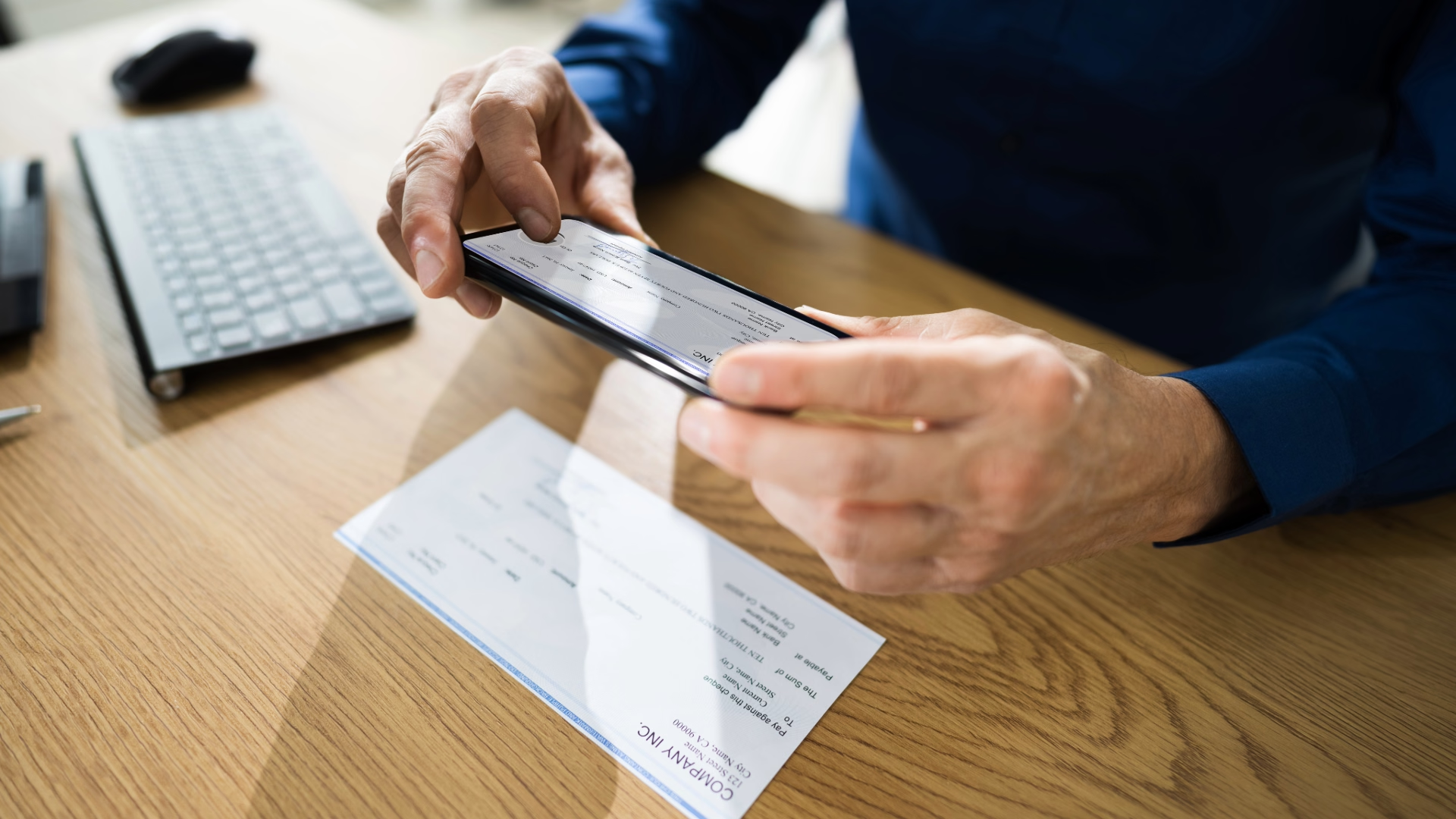
The Fake Check Scam: What You Need to Know
Getting an unexpected check can feel like a lucky break, a new opportunity, or even the start of a promising new job.
Unfortunately, scammers often use fake checks to trick people into sending away their own money.
This scam can affect anyone, but it has become especially common through online job offers, social media sponsorship opportunities, online marketplaces, and dating apps.
How the Scam Works
The scam typically begins when someone sends you a check and asks you to deposit it into your bank account. After you make the deposit, the person claims they accidentally sent too much money and asks you to return a portion of the funds. They may ask you to send the money through:
- Zelle
- Venmo
- Cash App
- PayPal
- Wire transfer
- Cryptocurrency
- Gift cards
Because financial institutions may make some or all of the funds available before a check has fully cleared, it can appear that the check is legitimate.
Days or even weeks later, the check is discovered to be counterfeit, altered, or drawn on an account with insufficient funds. When that happens, the deposit is reversed and you're responsible for the full amount of the bad check.
Unfortunately, any money already sent to the scammer is often impossible to recover.
Where These Scams Often Appear
Fraudsters are finding victims in a variety of ways including:
- Job offers received through LinkedIn or other employment websites
- Social media influencer or sponsorship opportunities
- Online marketplace transactions
- Dating apps and dating websites
- Direct messages from strangers on social media
The story may change, but the goal remains the same: convince someone to deposit a fraudulent check and send money back before the fraud is discovered.
Warning Signs to Watch For
Be cautious if:
- You receive an unexpected check from someone you don't know.
- You're told to deposit a check and send some part of the money back.
- Someone pressures you to return funds immediately.
- You're asked to send money through a payment app, wire transfer, cryptocurrency, or gift cards.
- The sender claims the overpayment was an accident or clerical error.
- The opportunity sounds too good to be true.
A Common Misunderstanding
One of the biggest misconceptions is that if the money appears in your account, the check must have cleared.
That's not always the case.
Funds can become available before the financial institution completes the process of verifying that a check is legitimate. A check can still be returned days or even weeks after it is deposited.
How to Protect Yourself
- Never send money back to someone based solely on a recent check deposit.
- Be skeptical of anyone who sends a check and asks for a portion of the funds to be returned.
- Independently verify the source of the check before taking any action.
- Take extra caution with opportunities that originate through social media, job boards, messaging apps, or dating platforms.
- Contact your financial institution if you're unsure whether a check is legitimate.
Remember: Once You Send the Money, It's Usually Gone
If someone asks you to deposit a check and then send part of the money back, treat it as a major red flag.
A legitimate overpayment can be corrected without rushing you to send funds through a payment app, wire transfer, cryptocurrency, or gift cards.
The safest rule is simple: Never send money back based on a check deposit until you've confirmed the check is legitimate and fully cleared.