IMPORTANT ANNOUNCEMENT - Local Roots. Expanded Possibilities.
You are leaving Sierra Central Credit Union
Links to non-Sierra Central websites are provided solely as pointers to information that may be useful to SierraCentral.com users. Sierra Central has no control over the content on such websites.
Sierra Central makes no warranties, either express or implied, concerning the content of such linked sites, including the accuracy, completeness, reliability or suitability thereof for any particular purpose, nor does Sierra Central warrant that such site or content is free from any claims of copyright, trademark or other infringement of the rights of third parties or that such site or content is devoid of viruses or other contamination.
Sierra Central does not guarantee the authenticity of documents on the Internet. Links to non-Sierra Central sites do not imply any endorsement of or responsibility for the opinions, ideas, products, information or services offered at such sites, or any representation regarding the content at such sites. The privacy policies of Sierra Central Credit Union do not apply to linked Websites. Please consult the privacy disclosures on such sites for further information.
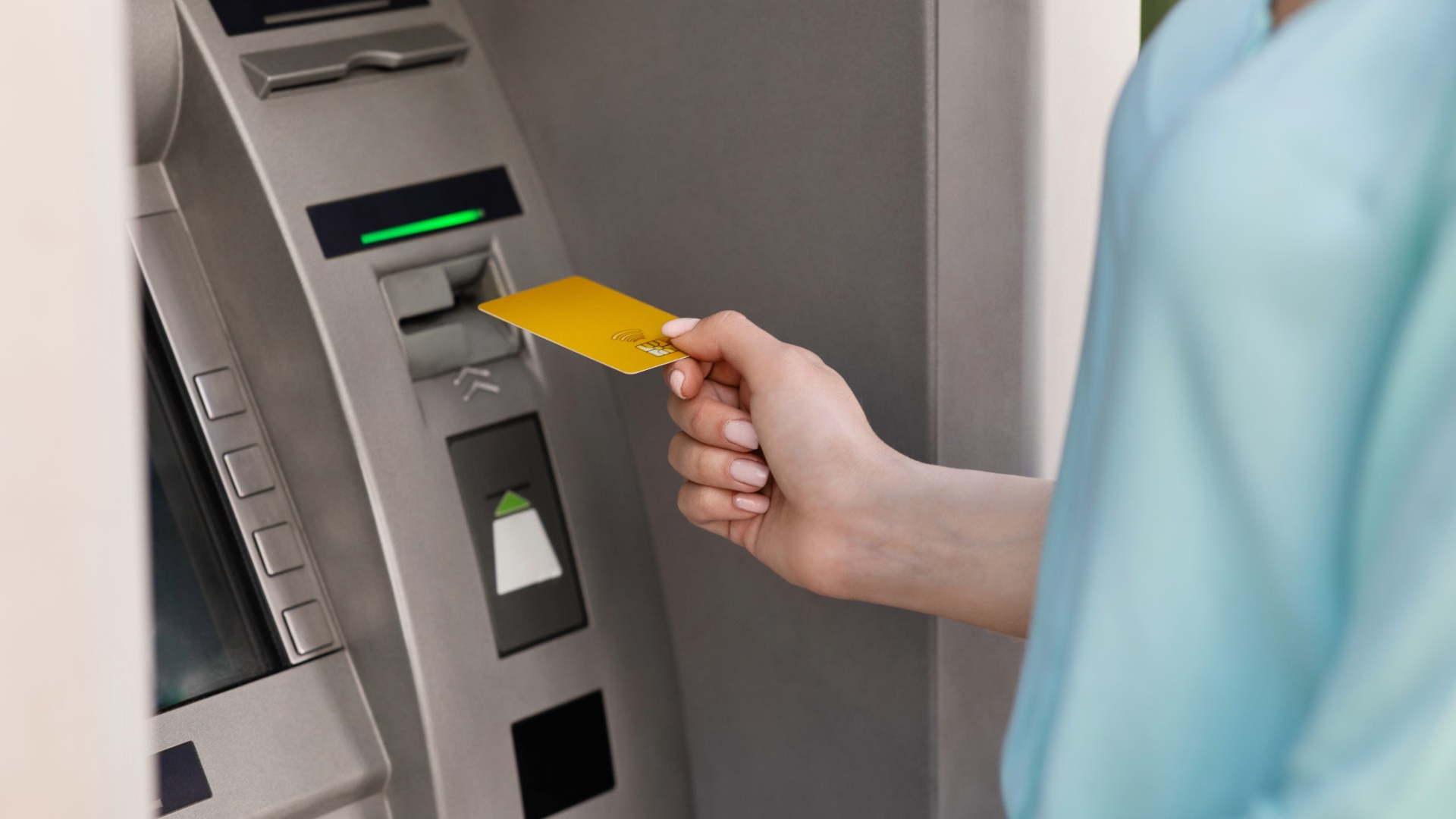
Card Skimmers and RFID Protection
Payment cards offer convenience and security, but fraudsters continue to develop new methods to steal card information.
Understanding how card skimming works and what role RFID-block products play can help you make informed decisions about protecting your accounts.
What is a card skimmer?
A card skimmer is an illegal device designed to capture information from a card's magnetic stripe during a transaction. Criminals commonly install skimmers on:
- ATMs
- Fuel pumps
- Point-of-sale terminals
- Self-service kiosks
Once card data is collected, fraudsters may use the information to create counterfeit cards or conduct unauthorized transactions.
Warning Signs of a Card Skimmer
While skimmers are often designed to be difficult to detect, consumers should watch for potential signs, including:
- A card reader that feels loose, bulky, or damaged
- Difficulty inserting or removing a card
- Unusual attachments or components on an ATM or fuel pump
- Suspicious cameras or fake keypads positioned near the terminal
If something appears unusual, it is best to avoid using the device and notify the business or financial institution immediately.
What are RFID-blocking wallets and sleeves?
Many modern debit and credit cards feature contactless payment technology, often referred to as RFID (Radio Frequency Identification) or tap-to-pay functionality. RFID-blocking wallets and sleeves contain materials designed to limit radio signals from reaching the card while it is stored.
These products may offer several benefits:
- An additional layer of protection against unauthorized scanning attempts
- Better organization and shielding for contactless payment cards
- Greater peace of mind for individuals concerned about electronic theft
How effective are RFID-blocking products?
While RFID-blocking wallets and sleeves can provide supplemental protection, it is important to understand that the vast majority of card fraud incidents are not related to RFID technology.
More commonly, criminals obtain card information through compromised payment terminals, skimming devices, phishing scams, data breaches, or other methods designed to capture magnetic stripe or card account information.
For this reason, RFID-blocking products should be viewed as one component of an overall fraud prevention strategy rather than a standalone solution.
Best Practices for Protecting Your Cards
The most effective way to reduce your risk of card fraud is to remain vigilant and regularly monitor your accounts.
Consider the following best practices:
- Review account activity regularly and report any unauthorized transactions immediately
- Enable transaction alerts through Online or Mobile Banking
- Use EMV chip or contactless transactions whenever available
- Inspect card readers before inserting or swiping your card
- Cover the keypad when entering your PIN at ATMs and payment terminals
- Be cautious when using unattended payment devices, particularly at fuel pumps and other high-traffic locations
The Bottom Line
RFID-blocking wallets and sleeves can provide an additional layer of protection for contactless cards. However, consumers should recognize that card skimming devices and compromised payment terminals remain a more common source of card fraud.
Staying alert, monitoring your accounts, utilizing transaction alerts, and carefully inspecting payment terminals before use remain some of the most effective ways to safeguard your financial information and reduce the risk of fraud.